
Environmental responsibility
Transformation of the glass industry
As a global technology group, we are part of an energy-intensive industry with high greenhouse gas emissions. SCHOTT is actively addressing the challenges of a complex and long-term transformation and is driving targeted measures to advance this transition.


Science-based climate targets
As a research-driven technology group, we are committed to a science-based climate strategy. That is why we have joined the Science Based Targets initiative (SBTi) and had our CO₂ reduction targets for all three emission scopes (Scopes 1–3) revalidated. The SBTi, which assesses and validates companies’ science-based climate targets, confirmed the revised targets in August 2026.The Scope 1 and Scope 2 reduction target established in 2023 remains part of our climate strategy through 2030. In addition, SCHOTT has set a target to reduce selected Scope 3 emissions along the value chain by 27.5 percent by 2030 (Further information in the implementation plan).

Our action plan
Our climate strategy follows a clear hierarchy: On our path to reducing emissions, we prioritize avoiding and reducing emissions (Further information in the implementation plan).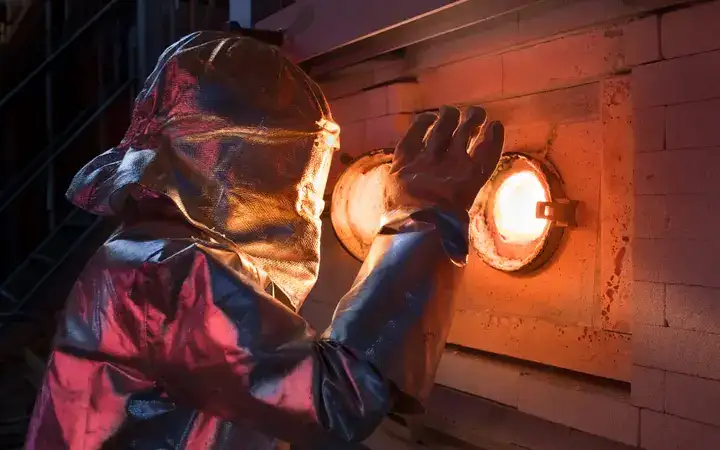
Technological change
Reducing our emissions requires fundamental technological changes in glass production. The biggest challenge is the technology change itself – particularly given the time required to implement it. This transformation is complex and long-term, spanning decades.
Our focus is on glass melting, the most energy-intensive step in the production process. In developing new technologies, we are particularly advancing electrification (Further information in the implementation plan). In research and pilot projects, we are also testing additional approaches, including heating our melting tanks with microwaves, hydrogen, and plasma burners.

Energy efficiency
Using energy efficiently is an important part of our production processes. Through structured energy management, we continuously analyze where additional efficiency potential can be realized.
The digitalization of the melting process opens up new opportunities: Modern sensor technologies and AI-powered data analysis provide us with deeper insights into the processes within our glass melting tanks.
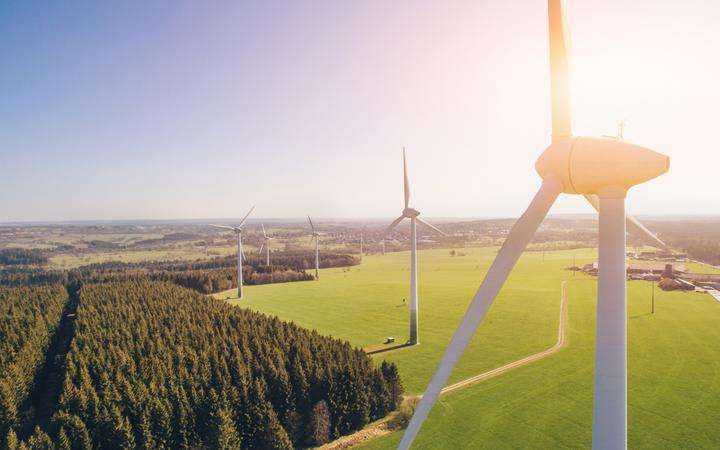
Renewable energies

Value chain (Scope 3)
The majority of our emissions occur outside our own operations. They are primarily generated during the production of the materials we purchase and the downstream processing of our products (Scope 3). As a result, Scope 3 emissions represent a key opportunity for further reductions. To address them, we follow a structured approach across our value chain (Further information in the implementation plan).
Our initiatives focus on knowledge transfer, increasing the use of renewable energy among our suppliers, and improving process efficiency. In this way, we support our suppliers in implementing effective emissions reduction measures step by step.
Innovation for the glass industry
By using modern technologies and continuously improving our processes, we have helped advance industrial standards in the glass industry.
Integrated EHS management system
Since 1995, we have managed environmental, health and occupational safety aspects (Environment, Health & Safety – EHS) through an integrated management system.
The system is based on internationally recognized standards, in particular ISO 14001 (environmental management) and ISO 45001 (occupational health and safety). Material Compliance is an integral part of this system.
Our EHS standards complement national laws and regulations where SCHOTT addresses relevant compliance topics consistently across the Group and define a Group-wide minimum standard.
The management system ensures transparency, clear responsibilities and a reliable foundation for continuous improvement – across countries and functions.

Other key areas of responsibility



Want to know more? Let's talk
If you need more information about our commitment to environmental and climate protection, please contact us.
Contact us