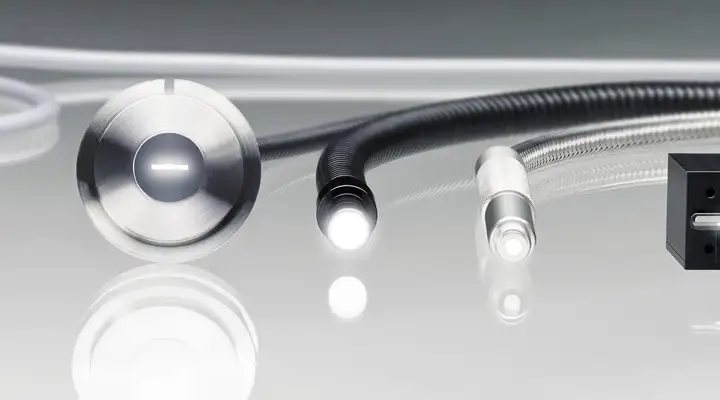
Custom fiber optic assemblies
What is inside a fiber optic assembly?
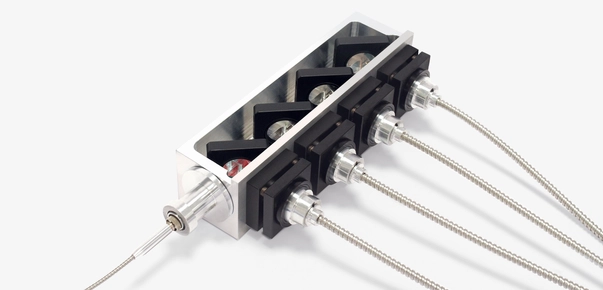
A fiber optic assembly consists of multiple optical and mechanical components that work together to guide and control light. The configuration is always tailored to the application.
- Fibers: multi-component glass or fused silica for targeted wavelength transmission
- Terminations and connectors: defined interfaces for stable system integration
- Sheathings: protection against mechanical stress, temperature, and chemical exposure
- Geometry elements: tapers or shaped outputs to adapt light distribution
- Branching structures: multi-leg designs for splitting or routing light
- Subassemblies: integration of optical or mechanical components for system-level functionality
Each element contributes to consistent performance and reliable light delivery within the final assembly.

Design options
Custom fiber optic assemblies can be configured in different ways depending on how light needs to be guided, shaped, and integrated into the system. The following design options provide an overview of typical configurations that can be adapted to your application.
Fiber types
Multi-component glass and fused silica fibers are selected based on wavelength range and transmission behavior, ensuring stable optical performance across different use cases.

Output geometry
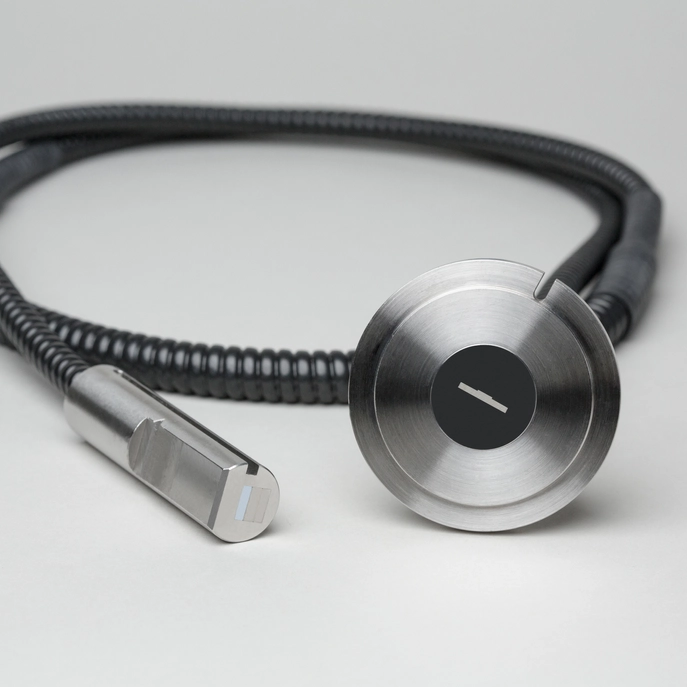
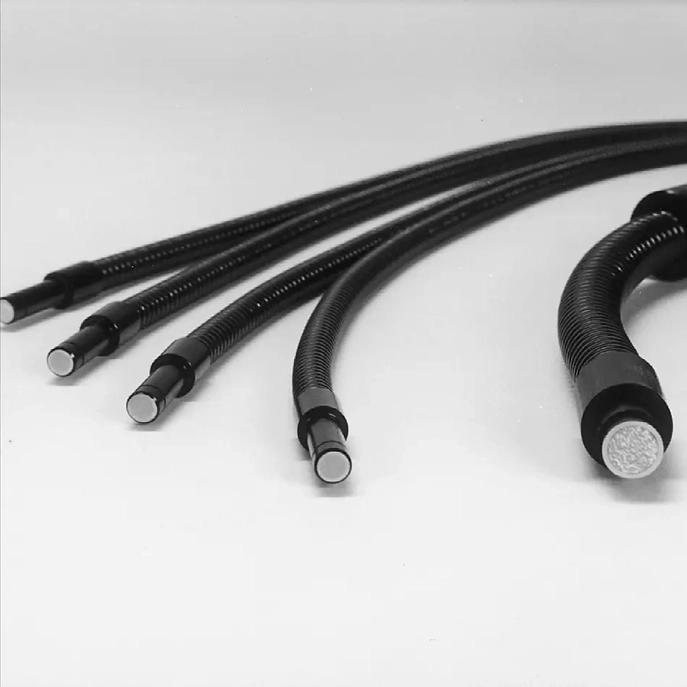
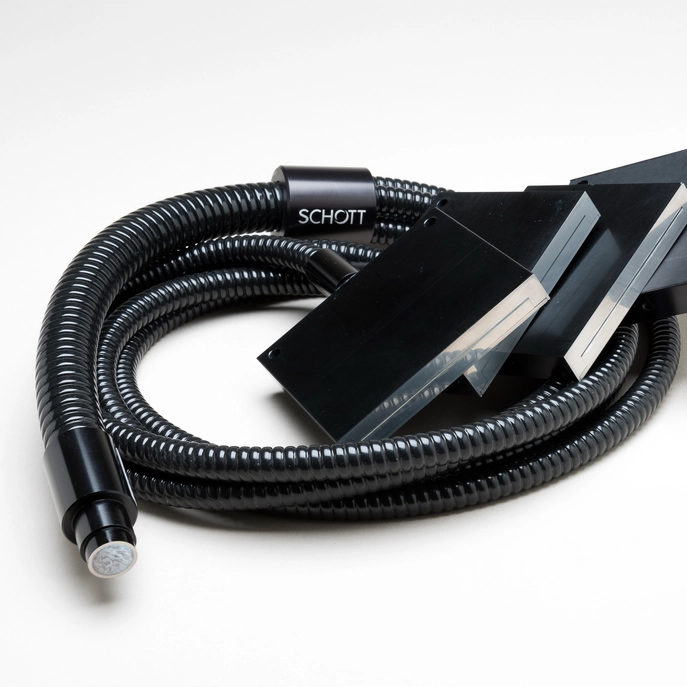
Light can be shaped into round, ring, line, or custom geometries to match illumination or detection requirements.
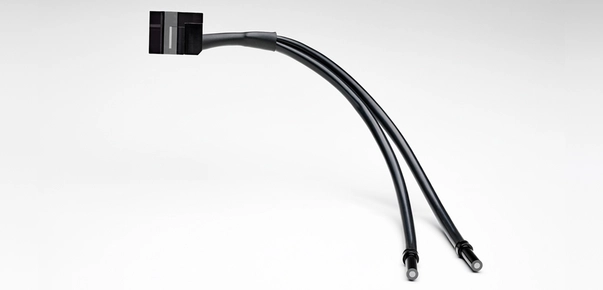
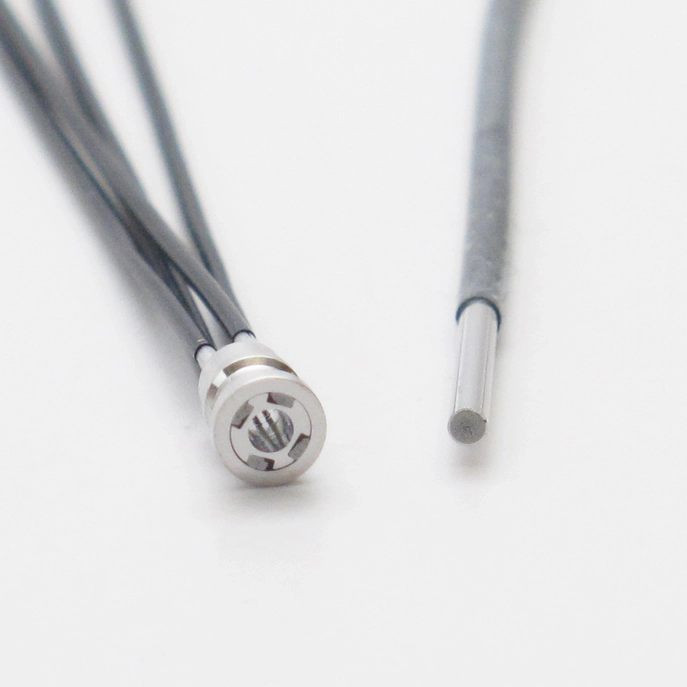
Single- and multibranch assemblies
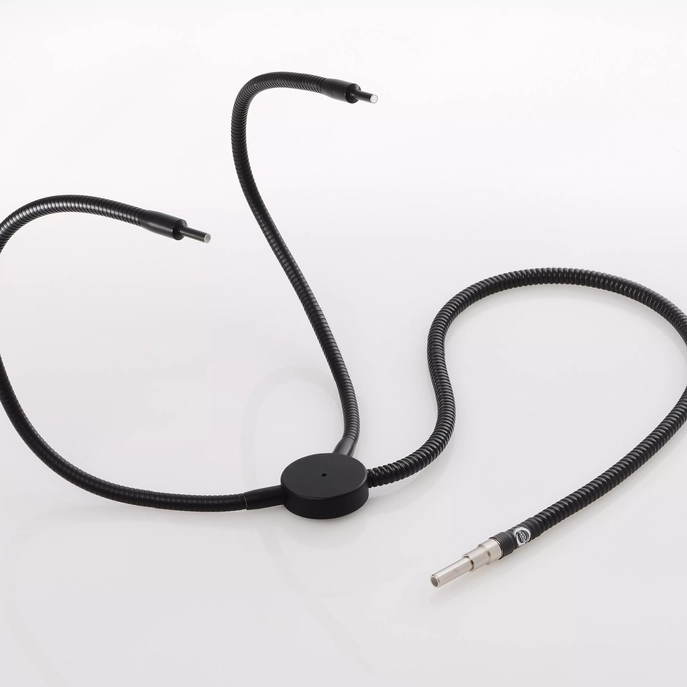
Single- or multi-leg assemblies distribute light across multiple channels, enabling parallel sensing, illumination, or signal collection.

Ruggedization
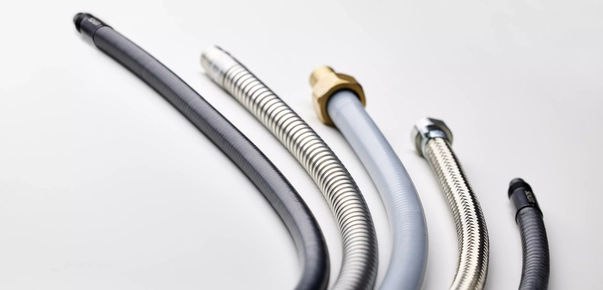
Sheathings and protective designs are adapted to mechanical stress, temperature exposure, or chemically environments to support long-term stability in demanding conditions.
Integrated subassemblies
Optical and mechanical components such as lenses, filters, or housings can be integrated to simplify system architecture and reduce integration effort.
Applications
Custom fiber optic assemblies are used wherever precise and reliable light delivery is critical to system performance.



Why SCHOTT
SCHOTT combines material science expertise with controlled manufacturing processes to deliver reliable solutions for demanding applications. From early concept discussions to prototyping and volume production, we focus on translating complex requirements into manufacturable solutions. Our vertically integrated approach ensures that all steps are aligned from the start: From fiber drawing to bundle sizing, fusion/tapering, polishing, end-termination up to end-surface coatings. Close collaboration, validation routines, and controlled processes support consistent performance, both in development and across long-term OEM programs.