Mirador El Palmeral
Key figures
Background
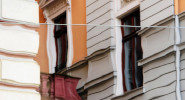
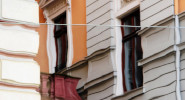
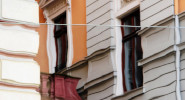
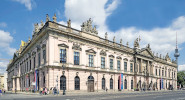
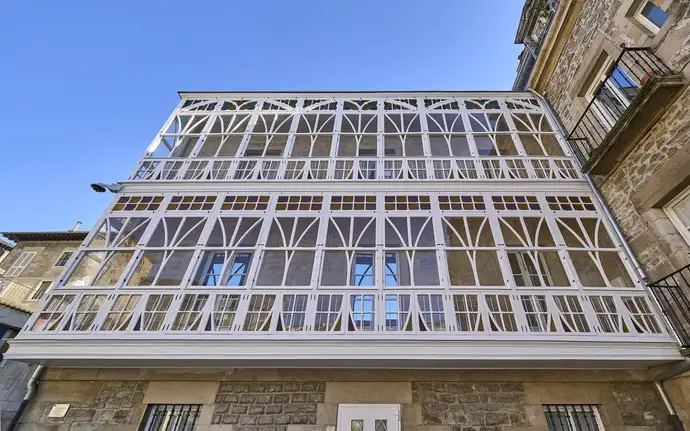
The Mirador El Palmeral is located on the north-west façade of Vitoria-Gasteiz town hall on Calle Mateo Moraza in the Basque Country, Spain. The structure extends over two floors, with each floor having nine windows, divided into three zones: hinged windows at the bottom, lattice windows in the middle, and colored stained glass windows at the top. The modernist, oriel window projects out from the façade, giving a generous view of the outside space.
The wooden structure was constructed using traditional nail-free box and tenon joints, with metal elements on moving parts such as hinges, handles, and safety bars. El Palmeral is a characteristic building from the early 20th century, with large areas of glazing that combine light, warmth, and weather protection in an aesthetically and functionally harmonious architectural structure.
Challenge
Restoring the Mirador El Palmeral presented the project team with the challenging task of preserving the historical significance of the building while meeting modern technical and functional requirements.
Particularly demanding was the process of preserving some of the ancient windows while reconstructing others. The original material was blown glass, which contained unique irregularities that needed to be matched. An added complication was the different window shapes, sizes and patterns, which required precise design planning and documentation. Each glass element needed dismantling, numbering, and analyzing to identify damage and ensure accurate restoration.
Solution
As part of the restoration, SCHOTT RESTOVER® plus glass was chosen to preserve the historical appearance of the window front. Meeting all modern-day requirements, this glass has been specially developed for restoration projects and precisely replicates the optical properties of the historical material, including its characteristic irregularities and light refractions.
Wherever possible, damaged original panes were repaired or restored using techniques such as the Tiffany method, and when replacement was necessary, custom-fit replicas made using SCHOTT RESTOVER® plus were used. Each element could be precisely manufactured and installed true to the original thanks to detailed plans drawn up in accordance with the CVMA standard (Corpus Vitrearum Medii Aevi) and close cooperation between SCHOTT, Landa-Ochandiano Arquitectos, and glass restorer Mikel Delika.
The final result is a successful combination of historical preservation, precise craftsmanship, and modern glass technology.