Our Corporate History
1884
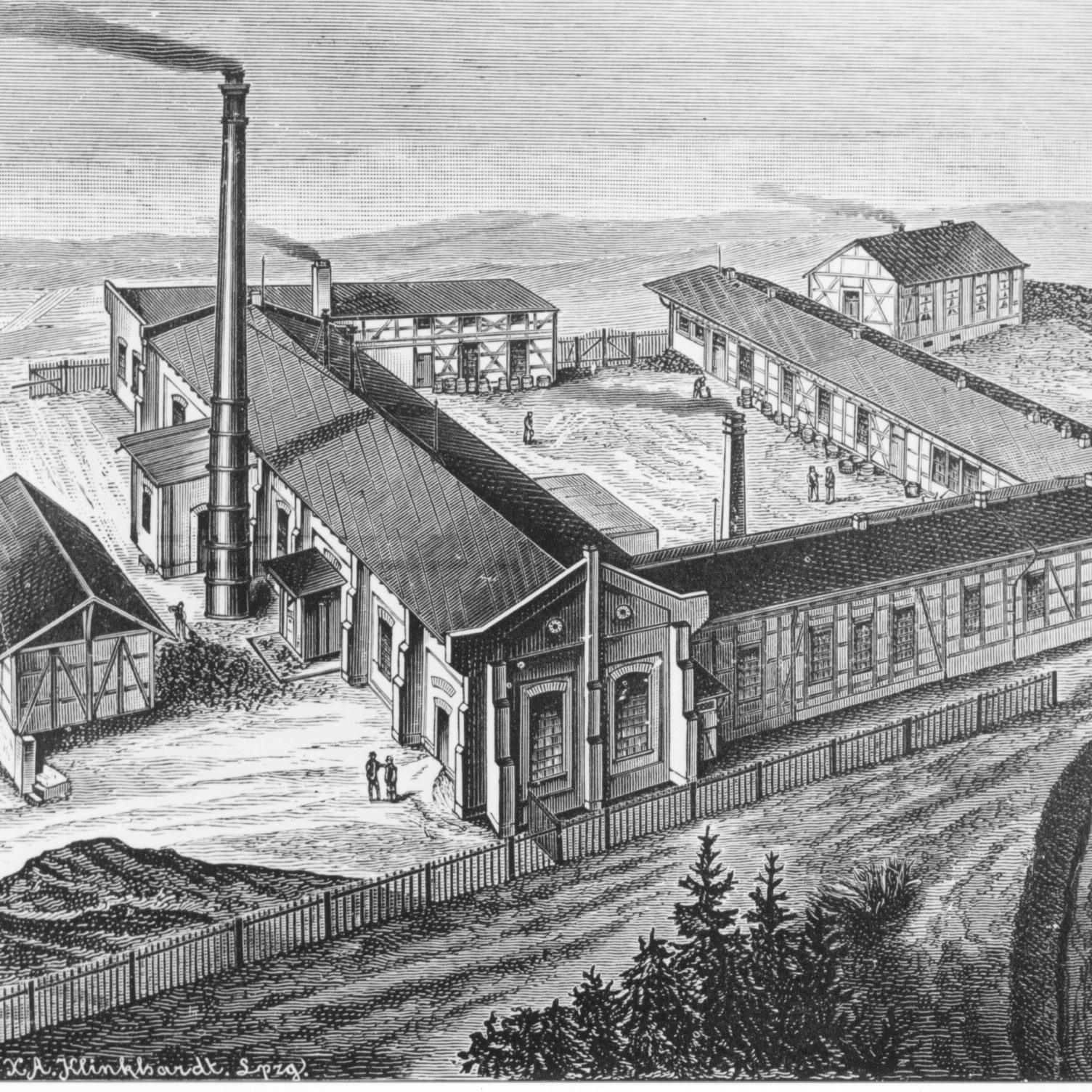
Founded as a glass laboratory
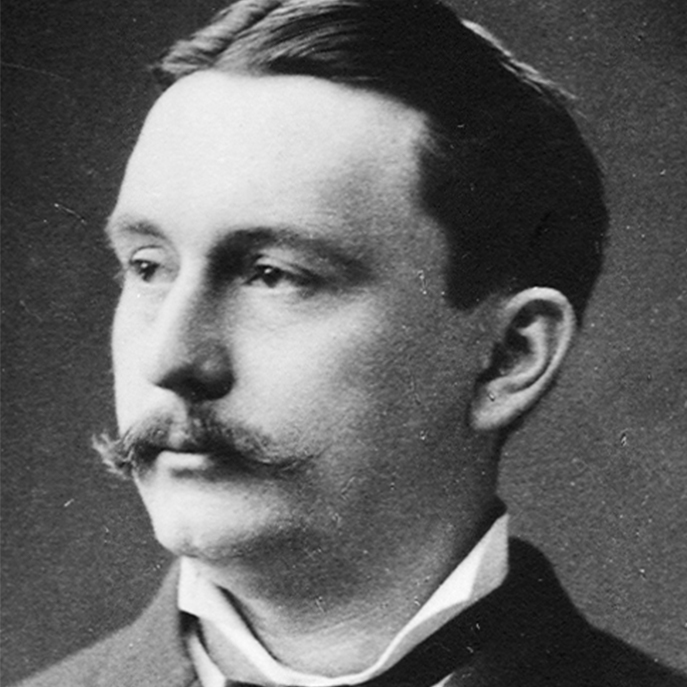
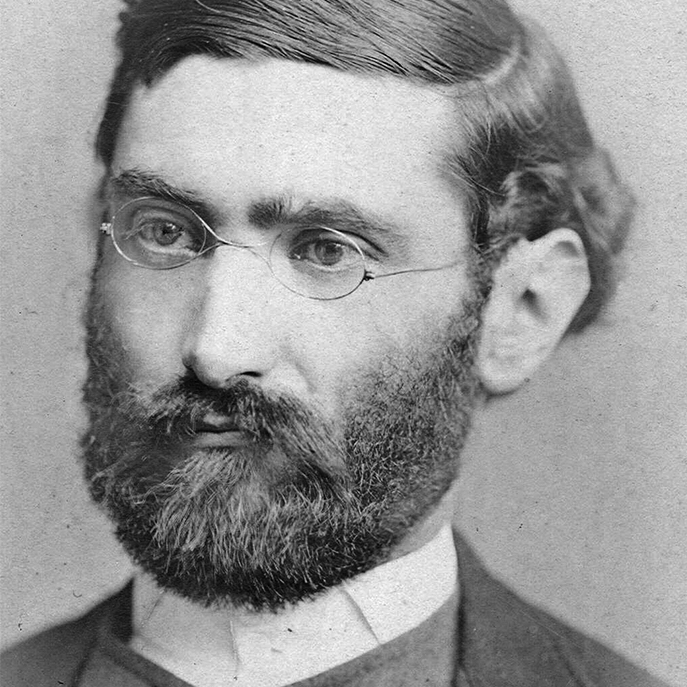
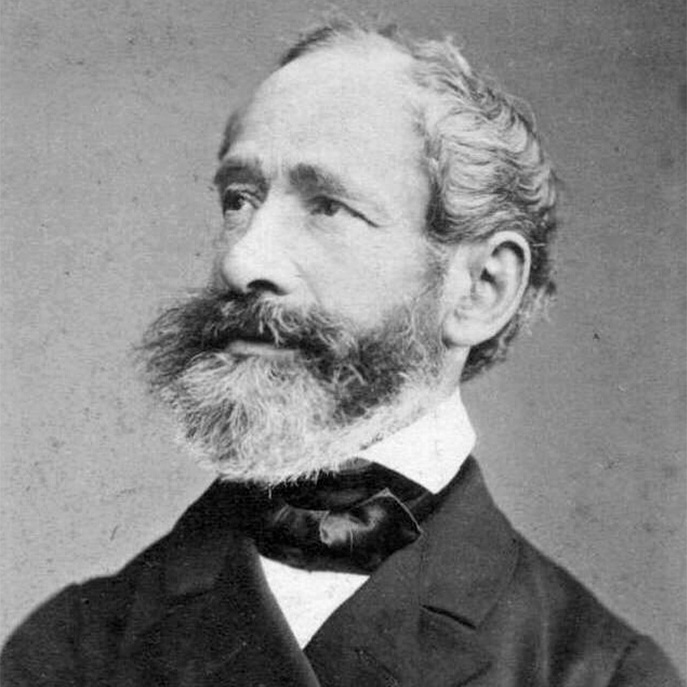
In 1884, the glass chemist Otto Schott (1851-1935), along with physicist Ernst Abbe (1840-1905) and optician and precision mechanic Carl Zeiss (1816-1888), founded a small glass laboratory in Jena, Germany. The Schott & Associates Glass Technology Laboratory was formed for the development and production of new types of specialty glass, with Otto Schott developing optical glasses primarily for the Optical Workshop of Carl Zeiss. Over time, the small glass laboratory developed into the SCHOTT Group, one of the world’s leading manufacturers of specialty glass.
1896
Sustainable corporate governance
In memory of the late Carl Zeiss, Ernst Abbe established the Carl Zeiss Foundation in 1889. The Foundation succeeded in permanently securing the existence of the ZEISS and SCHOTT plants independent of owner interests, as well as giving employees special social rights and promoting scientific and social institutions outside the companies.
With the support of Otto Schott, Abbe implemented a unique corporate model that was geared towards sustainability, with SCHOTT’s shares transferred to the Foundation in two stages, one in 1891 and the other in 1919. Abbe’s Foundation statute of 1896 forms the corporate constitution, which is one of the most important documents in German economic and social history.


1911
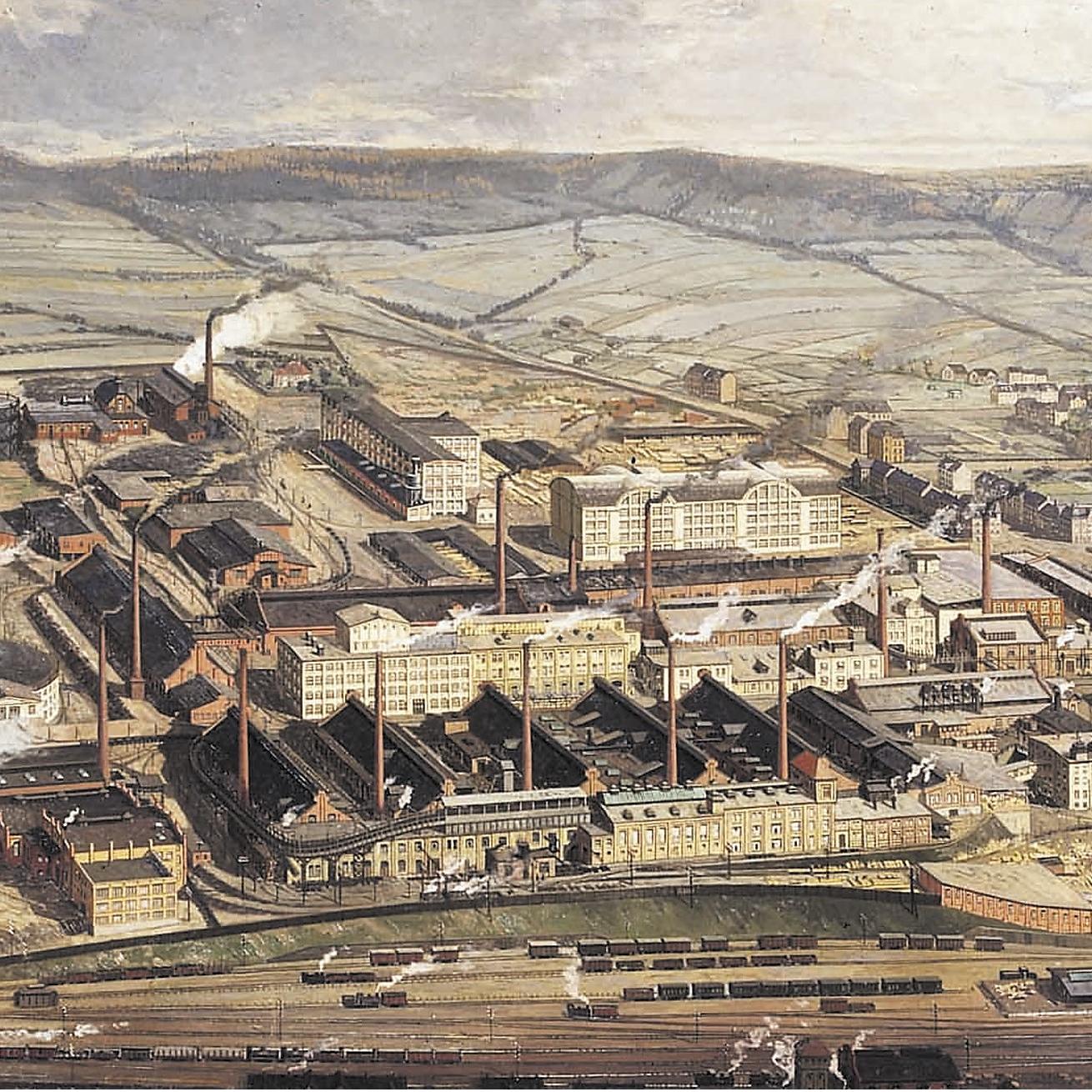
Change to an industrial enterprise
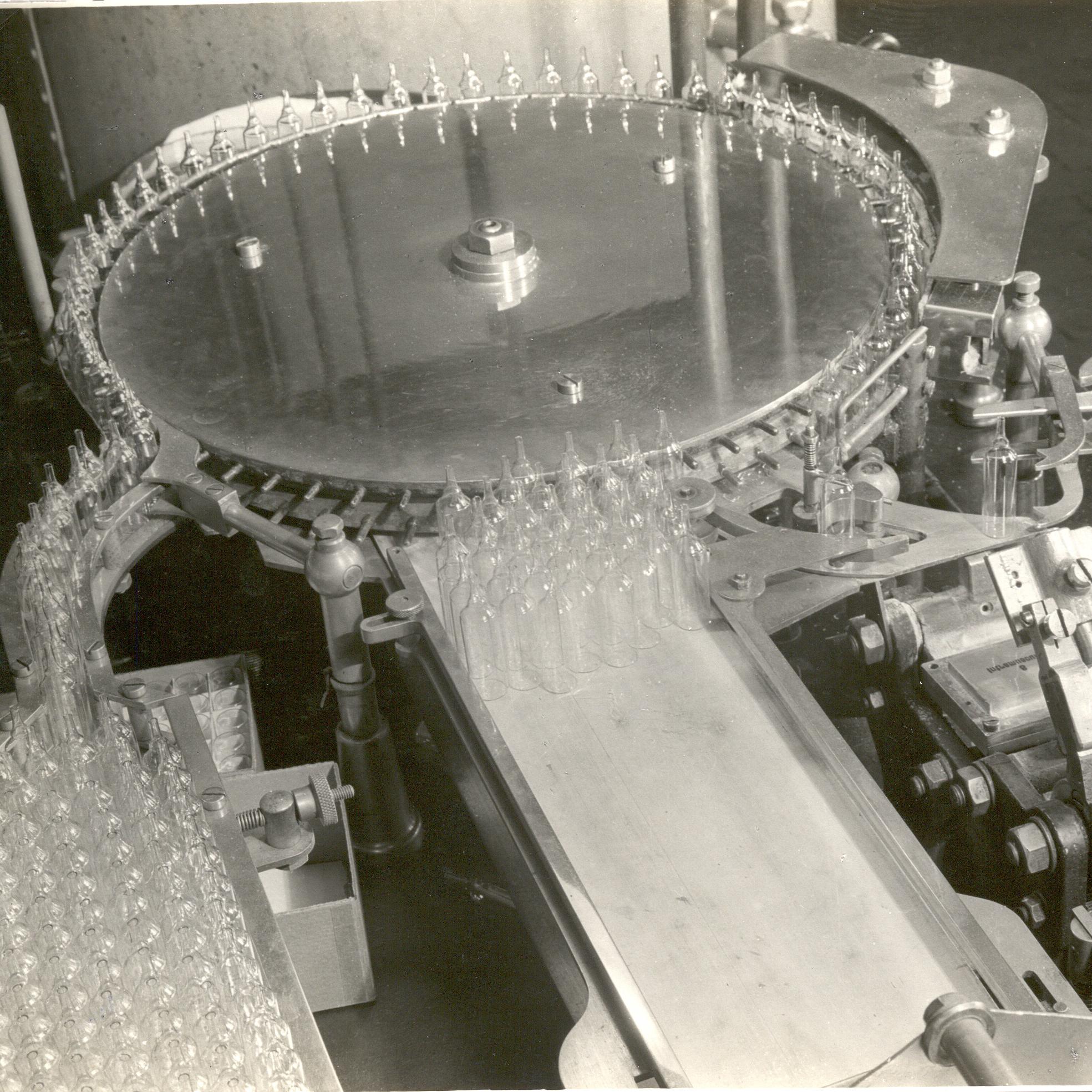
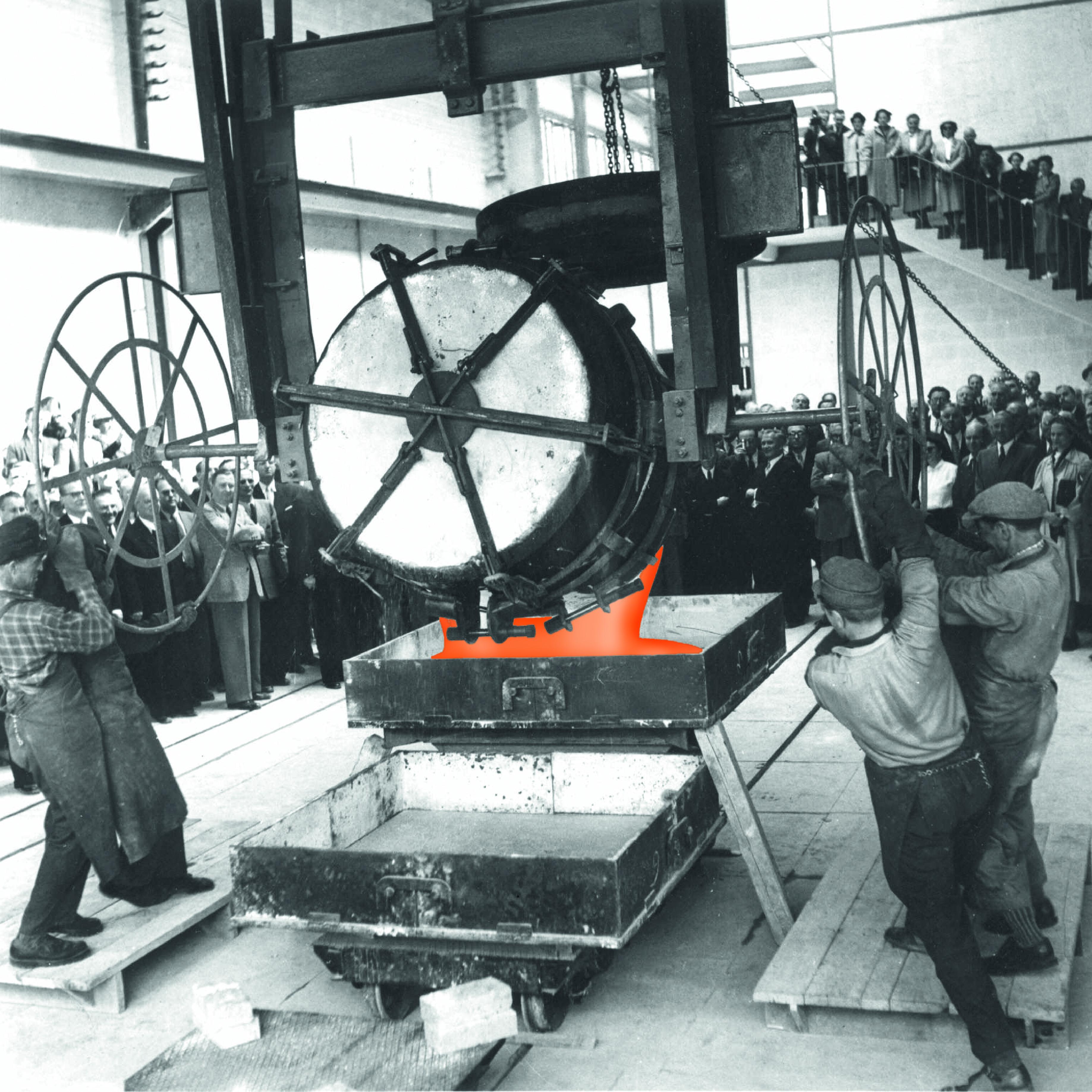
Due to the high global demand for the specialty glasses developed by SCHOTT, the small glass laboratory was transformed into a large industrial enterprise. This was accelerated by the introduction of continuous glass melting in large melting tanks in 1911 and the start of automated production in 1923.
1927
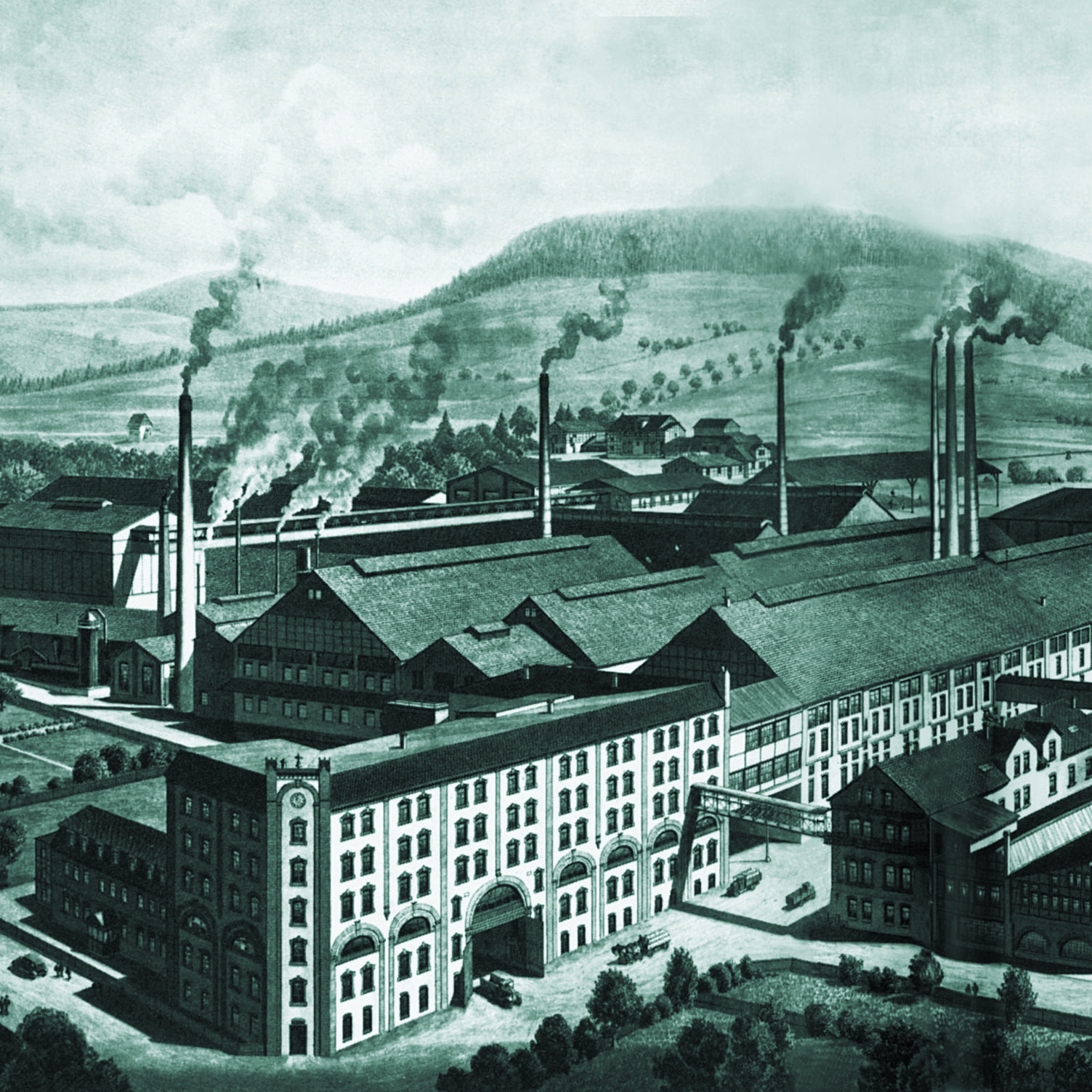
The origins of the SCHOTT Group
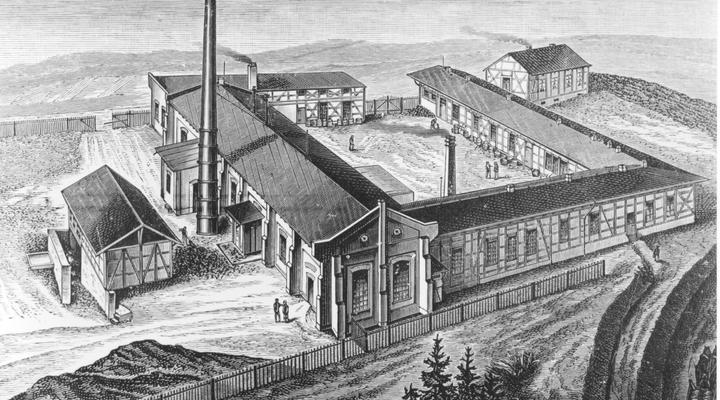
The acquisition of the glassworks in Zwiesel in 1927, and Grünenplan (see image below) and Mitterteich in 1930, marked the beginnings of the SCHOTT Group.
1945
The odyssey of the 41 glassmakers
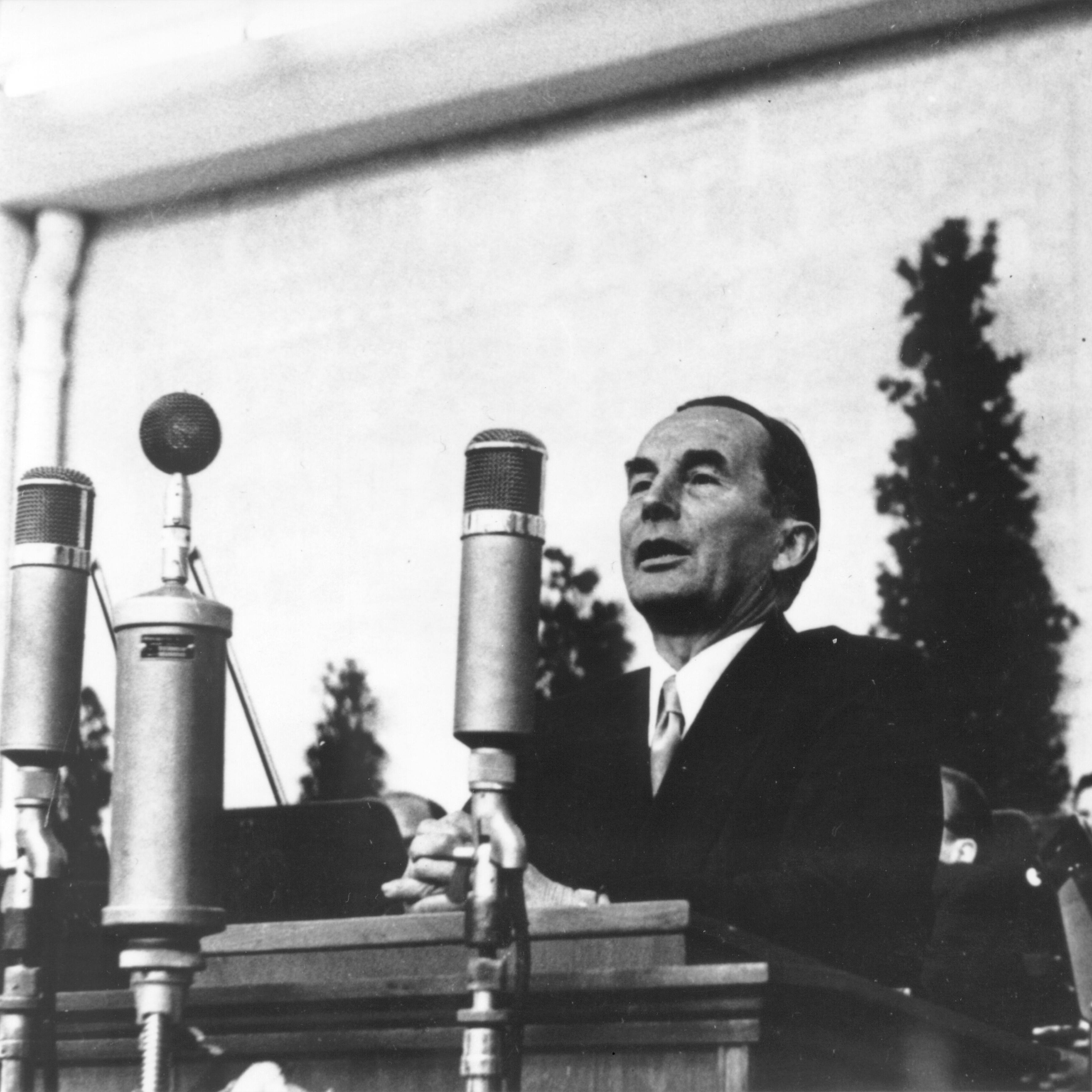
After the end of World War II and the separation of East and West Germany, SCHOTT was also divided into East and West. In order to secure scientific expertise for the West, American troops brought SCHOTT’s management team and selected specialists – the “41 Glassmakers” – from Jena to West Germany when they withdraw from Thuringia.
After the expropriation of the parent plant in Jena in 1948, the solidification of the political division of Germany was achieved a year later through the founding of the Federal Republic of Germany and the German Democratic Republic. Led by Erich Schott, the “41 Glassmakers” then decided to build a new main factory in the West, with the opening of the new plant ending “The Odyssey of the 41 Glassmakers” in Mainz in 1952.

1954
Globalization gains momentum
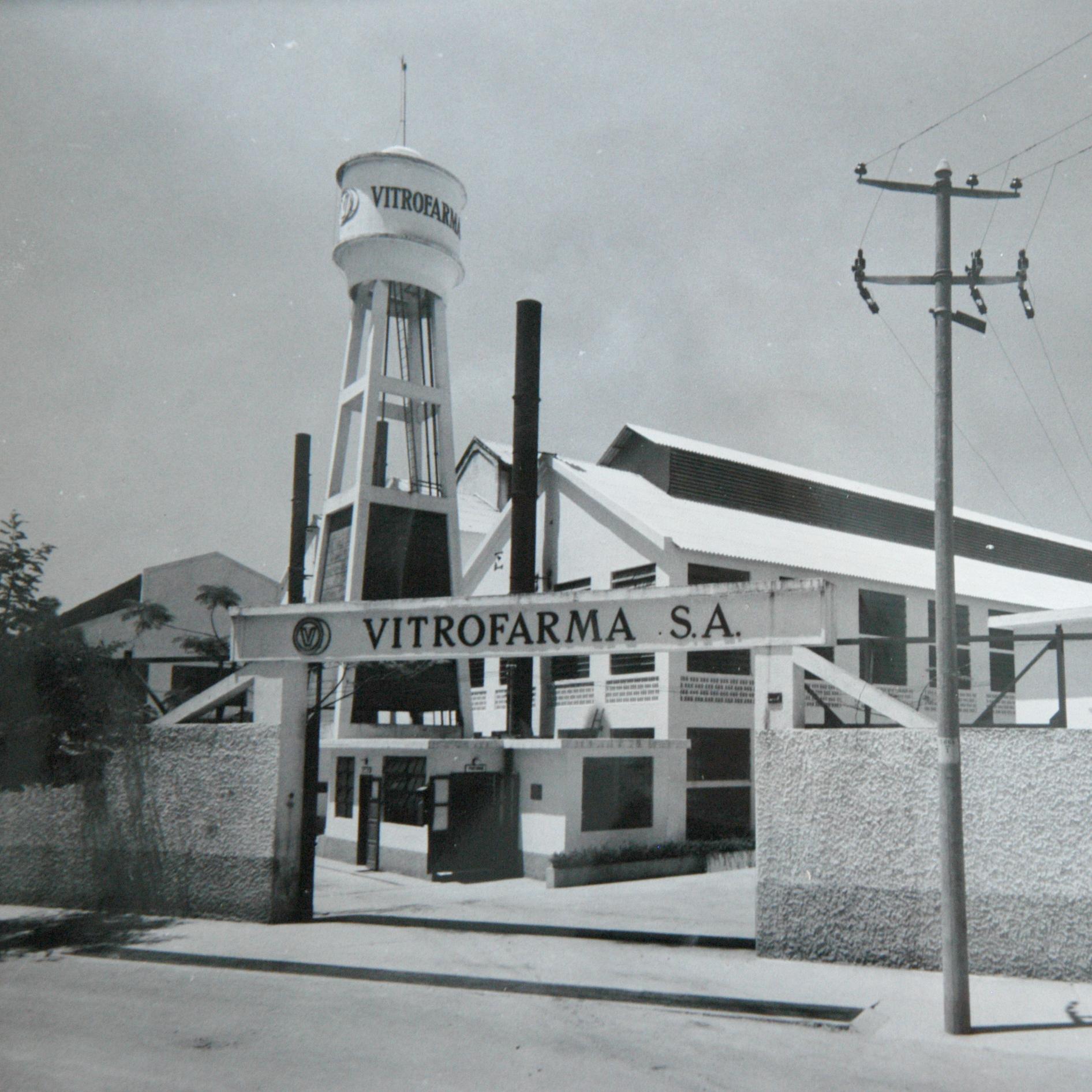
Specialty glasses from SCHOTT have been in global demand ever since its founding years. However, production was initially limited to Germany until Vitrofarma, a Brazilian manufacturer of glass tubes for pharmaceutical ampoules, became the first production site outside Germany in 1954.
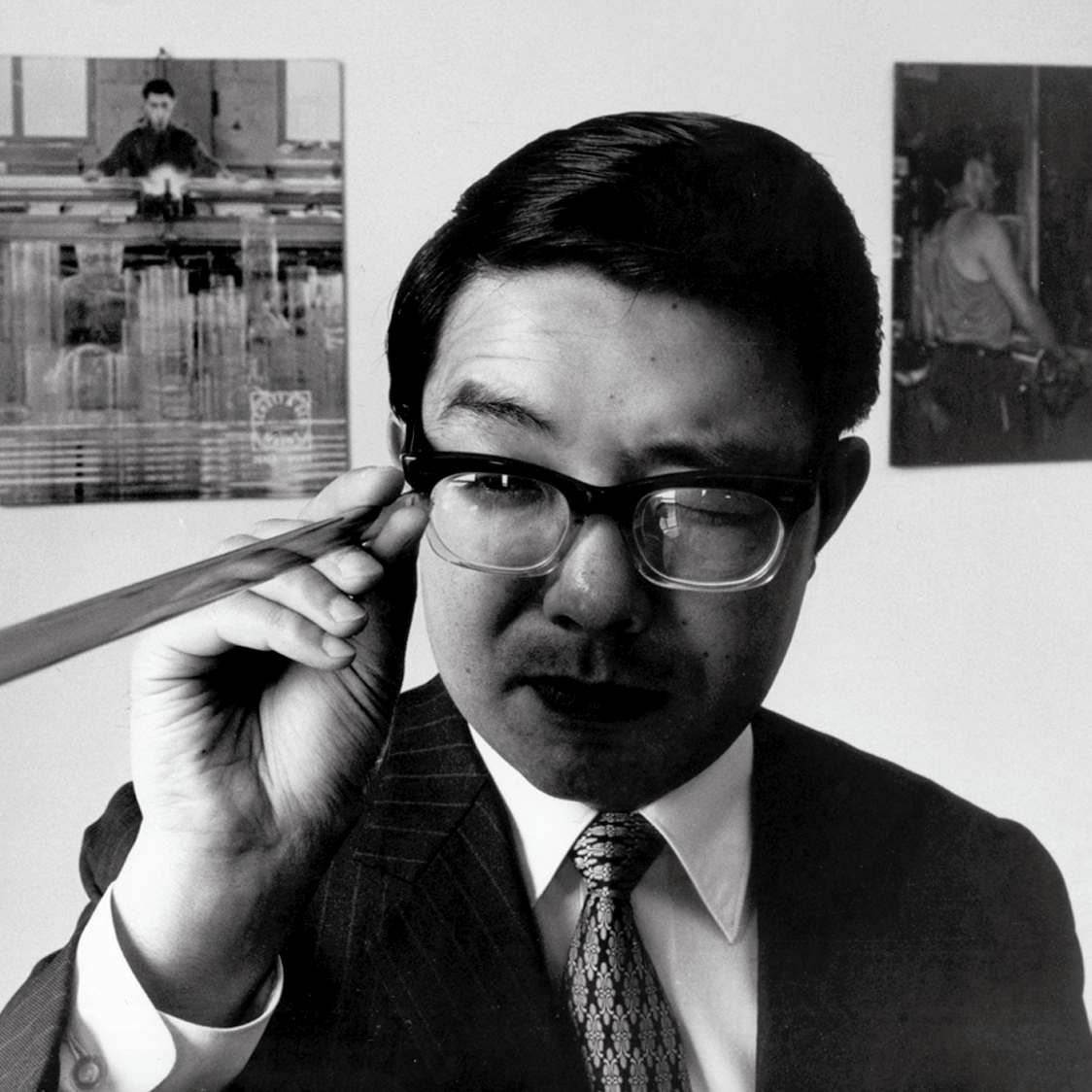
Since the 1960s, SCHOTT has gradually established production sites and sales offices in Europe, America and Asia, including sales offices in New York (1963), Tokyo (1966), and Paris (1967). Duryea, Pennsylvania, was the first production site in North America (1969), and Penang, Malaysia the first production site in Asia (1975).
2004
Transformation into a stock corporation
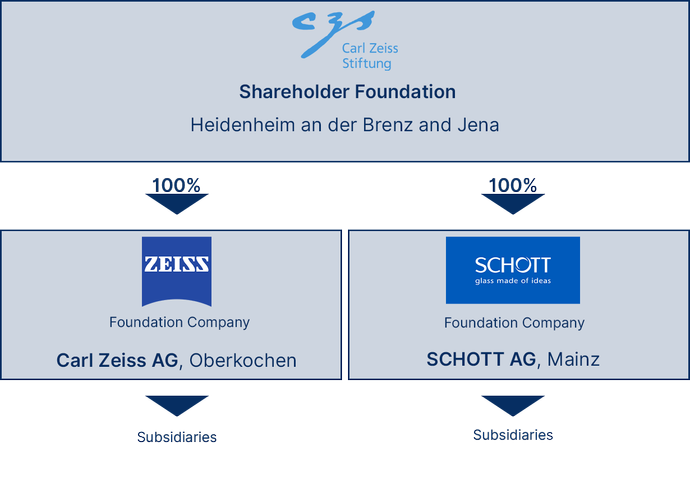
With the reformation of the Carl Zeiss Foundation in 2004, ZEISS and SCHOTT were hived off the Foundation and converted into legally independent stock corporations. Their sole shareholder is the Carl Zeiss Foundation, which isn't permitted to sell its shares in Carl Zeiss AG or SCHOTT AG – a key specification of the Foundation statute.
2020
“Climate Neutral by 2030” strategic goal
Environmental protection has been a corporate goal of SCHOTT since 1987. Against the backdrop of advancing climate change, the company made the “Climate neutral by 2030” goal a central component of its 2020 strategy to make an active contribution to climate protection.